%2Ffit-in%2F250x250%2Fguide_websites%2F132155%2Fimages%2F1776912270625jettierocksfishingcharters.png&w=1920&q=100)
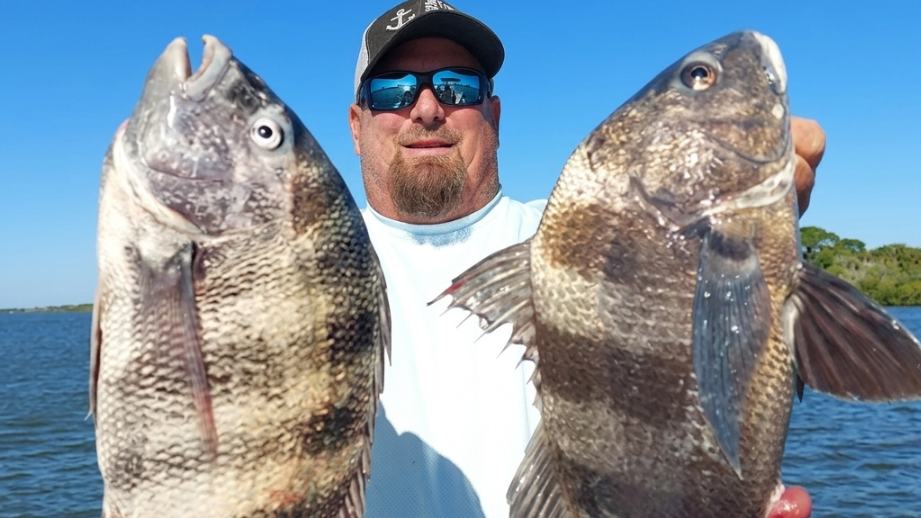
Southern Kingcroaker & Squeteague Caught in Port Orange FL
Inshore Fishing in Port Orange - What to Expect
%2F%2Fusers%2F981ed892-16b3-4c32-a2a0-fa654d36b957%2Fimages%2Fport-orange-kingcroaker-squeteague-catch-2612.jpg&w=1920&q=75)
Fishing, Tours Adventures by Captain Mike Davis in April
Meet your Captain Mike Davis
- Jettie Rocks Port Orange Fishing Charters


Summary
On Thursday, April 23rd, join Fishing, Tours Adventures with Captain Mike Davis of Jettie Rocks Fishing Charters for an unforgettable Port Orange inshore experience. This dynamic trip targets Southern Kingcroaker and Squeteague, two prized inshore species that deliver consistent action and excitement on Florida's east coast waters.
Fishing with Captain Mike Davis - Rates & Booking
Captain Mike Davis of Jettie Rocks Fishing Charters delivered an explosive Thursday, April 23rd outing targeting inshore species in Port Orange. This trip showcases the fast-paced action that keeps anglers coming back for more. Contact Jettie Rocks Fishing Charters to book your own Port Orange fishing adventure and experience the same quality guidance and productive waters that made this outing memorable.
Highlights of Port Orange Inshore Fishing
The standout catch featured two excellent specimens: Southern Kingcroaker and Squeteague. These inshore powerhouses provide consistent strikes and spirited fights that keep the energy high throughout the day. Port Orange's productive shallow waters create ideal conditions for targeting multiple species while enjoying excellent weather and scenic surroundings along Florida's east coast.
This charter experience combines technical skill with proven local knowledge. Captain Mike's expertise in finding active fish, reading conditions, and maximizing your time on the water ensures you're fishing where the action happens. Whether you're a seasoned angler or building your skills, this type of guided trip accelerates your success rate significantly.
Local Species Insights: Southern Kingcroaker & Squeteague
Southern Kingcroaker and Squeteague thrive in Port Orange's inshore ecosystem, where shallow flats, channels, and structured areas concentrate feeding fish. These species are aggressive strikers that respond to both live bait and artificial presentations, making them perfect targets for varied fishing styles.
Southern Kingcroaker are built for powerful runs. They inhabit sandy and muddy bottoms in moderate depths, often schooling in numbers that create sustained bite windows. Their strong strikes and determined fights generate real adrenaline on light to medium tackle. Squeteague, also called Weakfish, deliver similar excitement with their aggressive feeding behavior and preference for similar habitats. Both species are excellent table fare, making them prized catches for anglers seeking productive, rewarding days on the water.
Port Orange's positioning along Florida's central coast creates a convergence zone where these species concentrate seasonally. The combination of tidal movement, water temperature, and seasonal migrations means Captain Mike can dial in the most productive techniques and locations to maximize your catch opportunities. Understanding their habitat preferences and seasonal patterns separates casual outings from productive, action-packed adventures.
The shallow draft waters near Port Orange allow access to prime feeding grounds that larger vessels cannot reach. This advantage means more time spent over active fish rather than traveling between distant locations. The intimate nature of inshore fishing also creates opportunities to practice casting accuracy, learn species-specific presentations, and develop your angling repertoire under expert guidance.
Fishing in Port Orange: Squeteague and Southern Kingcroaker
Squeteague Overview
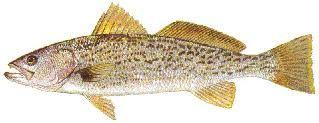
The Squeteague (Cynoscion regalis) is a remarkable sea trout belonging to the Sciaenidae family within the order Perciformes. More commonly called Weakfish by anglers and locals, this species is easily recognized by its distinctive olive-green coloring with iridescent gold, green, copper, and lavender freckles adorning its sides and back. What makes the Squeteague particularly special is its reputation as both a challenging game fish and the official state fish of Delaware—a distinction that speaks to its cultural significance along the Atlantic coast. Whether you're fishing the Delaware Bay or exploring coastal waters from Canada to northern Florida, encountering this spirited fish is a genuine highlight of any angling adventure.
Squeteague Habitat and Distribution
The Squeteague thrives in a variety of coastal environments, showing a strong preference for salty marsh creeks, estuaries, bays, and shallow waters along sandy shores. Young Squeteague typically inhabit deeper waters and rivers with sandy and grassy bottoms, using nearshore areas of the Atlantic Ocean as nurseries. As they mature, adults migrate to feeding grounds characterized by eelgrass habitats, oyster reefs, and rocky areas. Geographically, this species ranges from Canada down to northern Florida along the eastern coast of North America, with significant populations in the Chesapeake Bay and Gulf of Mexico. Unfortunately, the conversion of coastal areas to agricultural lands has increasingly threatened their natural habitats, making conservation efforts more important than ever.
Squeteague Size and Weight
Squeteague typically range from 14 to 39 inches in length, with most fish weighing between 12 to 20 pounds. While the average catch hovers around 14 to 26 inches, experienced anglers occasionally land trophy-sized specimens that push toward the upper end of the size range. The sleek, slightly flattened body of the Squeteague makes it an efficient swimmer, and size can vary considerably depending on habitat quality, food availability, and water temperature. Understanding these size parameters helps anglers set realistic expectations and comply with local regulations, particularly in jurisdictions like New Jersey where minimum size limits are enforced.
Squeteague Diet and Behavior
The Squeteague is an active, fast-swimming predator that hunts in small schools near the water's surface. This species employs a strategic hunting technique—slowly approaching prey before launching a violent attack with its mouth wide open. Their diet consists of crabs, worms, mollusks, anchovies, Atlantic menhaden, killifish, and other small fish species. Interestingly, despite belonging to the drum family, the Squeteague lacks the sensory barbel chin found in other drum cousins, meaning it does not engage in bottom-feeding behavior. Instead, it relies on visual hunting and quick reflexes. In turn, adult Squeteague fall prey to striped bass, dusky sharks, and bluefish, making them an important link in the Atlantic coastal food chain.
Squeteague Spawning and Seasonal Activity
The Squeteague's breeding season occurs during spring and early summer when water temperatures range from approximately 50°F to 65°F. During this critical period, the species produces distinctive drumming or croaking sounds created by contractions of abdominal muscles against the swim bladder—a behavior unique to the drum family. These vocalizations serve as important reproductive signals between fish. The species is most abundant and actively feeding from April through October, making this the prime window for both recreational and commercial fishing. However, populations have experienced decline in recent decades due to bycatch, particularly in shrimp trawls, leading to the implementation of various protective regulations including minimum size limits, commercial creel restrictions, and mandatory bycatch reduction gear.
Squeteague Techniques for Observation and Capture
Live Bait and Small Lures: The Squeteague responds well to live baits such as killifish, silversides, and small mullet. Cast near eelgrass beds and oyster reefs during early morning or late afternoon hours when feeding activity peaks. Small soft plastic lures and metal jigs also produce excellent results. Remember that this species is notoriously shy and fussy, so a light touch and patience are essential—use lighter tackle when conditions permit.
Temperature-Targeted Fishing: Focus your efforts when water temperatures fall within the preferred range of 50°F to 65°F. Use a reliable thermometer to identify promising zones, particularly around creek mouths and bay entrances where warm and cool water mix. Early spring and fall transitions often provide spectacular fishing opportunities.
Local Hotspots and Timing: Around Delaware Bay and similar coastal areas, target dawn and dusk when the Squeteague moves into shallow feeding grounds. Fish structure such as pilings, submerged timber, and rocky outcroppings where forage fish congregate. Pay attention to tidal movements, as many coastal anglers find slack tide and the initial stage of incoming tide most productive. In New Jersey, remember that recreational anglers are currently limited to one Squeteague per outing, with a 13-inch minimum length requirement—regulations that help sustain this treasured fishery for future generations.
Squeteague Culinary and Utilization Notes
The Squeteague is regarded as good eating with mild, flaky white meat that takes well to various preparation methods. Its culinary appeal has made it valuable for both recreational and commercial fisheries, though many anglers prefer to release them due to their sporting qualities and declining populations. When kept, Squeteague should be iced immediately and filleted fresh for best flavor. The flesh is versatile—it can be pan-fried, baked, grilled, or poached. From a sustainability perspective, checking local regulations and respecting minimum size limits ensures this species remains available for future anglers and coastal communities that depend on healthy fish populations.
Squeteague Frequently Asked Questions
Q: Why is the Squeteague called Weakfish?
A: The name comes from the fish's weak mouth muscles, which make it prone to tearing free from hooks. This trait actually adds to their appeal as game fish—landing a Squeteague requires finesse and a careful fight.
Q: What is the best bait for catching Squeteague?
A: Live bait is highly effective, particularly small killifish, silversides, and mullet. Fresh shrimp also works well in some areas. Small jigs and soft plastic lures mimic natural prey and produce reliable results, especially around structure.
Q: Where can I find Squeteague near Delaware?
A: Delaware Bay, the Chesapeake Bay region, and coastal bays from Maryland to New Jersey offer excellent Squeteague fishing. Focus on shallow, sandy areas near eelgrass and oyster beds during spring through fall months.
Q: When is the best time to catch Squeteague?
A: April through October represents peak season, with particularly strong activity during spring spawning (May-June) and fall feeding periods. Fish during early morning, late afternoon, and around slack tide for best results.
Q: Is Squeteague good to eat?
A: Yes, Squeteague has mild, flaky white meat considered good eating. However, many anglers release them to support conservation efforts, as populations have declined. Always check local regulations before keeping any fish.
Q: What water temperature do Squeteague prefer?
A: Squeteague are most active in waters ranging from 50°F to 65°F. Targeting these temperature zones during spring and fall transitions often yields the most productive fishing.

Southern Kingcroaker Overview
The Southern Kingcroaker (Menticirrhus Americanus), belonging to the family Sciaenidae and order Perciformes, is a fascinating coastal gamefish that has earned a loyal following among anglers and seafood enthusiasts alike. This slender, distinctive fish is instantly recognizable by its brownish bronze body with blue reflections, metallic gold markings on its head and tail, and a uniquely rounded, spatula-shaped tail fin. What really sets the Southern Kingcroaker apart is its remarkable ability to produce audible sounds—both a thrumming vibration created by abdominal muscles against its swim bladder and distinctive clicking noises made with its teeth. These vocalizations have made it a subject of fascination for both recreational and commercial fishermen along the Atlantic coast. Whether you're exploring Delaware Bay or fishing the Carolina coast, this species delivers consistent action and excellent table fare.
The Southern Kingcroaker is commonly known by several regional names, including Southern Kingfish (the most widespread), Whiting in South Carolina, and Ground Mullet in North Carolina. This naming confusion means many anglers unknowingly target this species without realizing its true identity, making it one of the more underappreciated fish in coastal waters.
Southern Kingcroaker Habitat and Distribution
Southern Kingcroakers are creatures of the nearshore zone, thriving in the troughs and channels that characterize the surf zone and slightly deeper waters just beyond the breakers. They show a marked preference for sandy and rocky substrates where coquina clams and other invertebrates flourish—perfect hunting grounds for a bottom-feeding specialist like this species. During warmer months, these fish migrate closer to shore and toward the surface, making them significantly more accessible to beach and pier anglers. In cooler seasons, they retreat to deeper water just offshore, though dedicated anglers can still locate and catch them with proper technique and patience.
Delaware Bay stands out as a premier spawning ground for Southern Kingcroakers, though interestingly, the species doesn't qualify for individual Delaware State Records despite their abundance in these waters. Throughout their range along the Atlantic coast, from the Mid-Atlantic through the Carolinas, they inhabit rivermouth areas and onshore environments where saltwater mixes with freshwater influence, creating ideal feeding conditions.
Southern Kingcroaker Size and Weight
The typical Southern Kingcroaker measures between 12 to 20 inches in length, with most specimens caught by recreational anglers falling in the 12 to 15-inch range. Average weights run from 1 to 3 pounds, making them a perfect target for medium-light tackle enthusiasts who enjoy a sporting fight without requiring heavy-duty equipment. The largest recorded Southern Kingcroaker reached approximately 2.4 pounds, though specimens regularly approach or exceed 2 pounds in productive waters. Their slender, elongated body profile makes them feel larger and fight harder than their actual weight might suggest, which adds to their appeal among anglers seeking a fun, reactive experience on lighter gear.
Southern Kingcroaker Diet and Behavior
The Southern Kingcroaker's inferior-terminal mouth—positioned more toward the bottom of its head—reveals its identity as a dedicated bottom feeder and mollusk specialist. These fish actively hunt shrimp and crabs with enthusiasm, but they're equally content consuming mollusks and amphipods found in sandy substrates. On slower feeding days, they'll scavenge detritus and carrion, displaying the adaptability that makes them reliable targets year-round. Their sound-producing abilities serve multiple purposes: the thrumming vibrations likely function in communication and territorial disputes, while tooth-clicking sounds may signal feeding activity or stress responses. This acoustic behavior, combined with their predictable feeding preferences, has made them favorites among anglers who fish the shallows and understand their bottom-hugging habits.
Southern Kingcroaker Spawning and Seasonal Activity
Spring and early summer represent prime time for Southern Kingcroaker abundance and catchability, when massive spawning aggregations move into nearshore waters. Delaware Bay serves as a critical spawning destination, where reproductive activity reaches peak intensity. During these seasons, fish concentrate in predictable locations, making them far easier to locate and catch than during fall and winter months. As water temperatures cool into autumn, the population gradually disperses toward deeper offshore waters, though fishing remains possible for determined anglers willing to venture further from shore. Summer offers the best combination of accessibility and activity, with fish positioned close to the beach where they're vulnerable to both live bait and properly presented artificial offerings.
Southern Kingcroaker Techniques for Observation or Capture
Live Bait Method: The most effective technique for catching Southern Kingcroakers involves live or freshly-cut natural baits rather than artificial lures, which they actively avoid. Deploy fresh clams, squid, bloodworms, or live shrimp on a medium-light rod with fast action—this combination provides enough sensitivity to detect the subtle taps and nibbles these fish are known for. Use a 1.5 to 3-ounce sinker depending on surf conditions, allowing your bait to rest on the bottom where these bottom-feeders naturally hunt. Cast into the troughs and channels of the surf zone during morning and evening hours when activity peaks.
Tackle Setup: A medium-light rod paired with appropriate line weight and a quality reel creates the optimal platform for enjoying these fish without over-powering them. Terminal tackle should include small circle hooks (sizes 1/0 to 3/0) that match your bait size, minimizing the chance of deep hooking while maximizing hook-up ratios. The fast-action rod tip lets you set the hook quickly when you feel that characteristic tap that precedes a committed strike.
Localized Approach: Around Delaware Bay and the Carolina coast, fish the nearshore troughs during incoming tides when baitfish and crustaceans become more active and Southern Kingcroakers feed most aggressively. Focus your efforts on sandy areas with visible coquina clam beds, as these mollusks indicate prime feeding habitat. Spring through early summer offers peak results, though consistent catches occur throughout the warmer months when the species remains in shallow, accessible waters.
Southern Kingcroaker Culinary and Utilization Notes
The Southern Kingcroaker deserves recognition as excellent table fare, offering firm, mild-flavored white flesh that appeals to a wide range of palates. Their culinary qualities have earned them respect among both recreational and commercial fishermen, with many considering them superior to more famous gamefish species. The firm texture holds up beautifully to various cooking methods—pan-searing, baking, broiling, and frying all produce outstanding results. Their mild flavor profile accepts bold seasonings and delicate preparations equally well, making them versatile for creative cooking. Beyond recreation, these fish support sustainable harvest practices where regulations permit, contributing to local food systems and reducing pressure on larger, slower-growing species. The consistent size and availability of Southern Kingcroakers make them practical targets for families and anglers seeking both sport and dinner.
Southern Kingcroaker Frequently Asked Questions
Q: What is the best bait for catching Southern Kingcroakers?
A: Live or freshly-cut clams, squid, bloodworms, and live shrimp consistently outperform other options. Southern Kingcroakers actively avoid artificial lures, so natural presentations are essential. Fresh-cut bait slightly outperforms live options when targeting multiple fish quickly, though live bait produces larger individuals in some situations.
Q: Where can I find Southern Kingcroakers near Delaware Bay?
A: Delaware Bay serves as the premier spawning ground for Southern Kingcroakers along the Atlantic coast. Fish the nearshore troughs and sandy areas during spring and early summer when populations peak. Focus on areas with visible coquina clam beds, as these mollusks indicate prime feeding habitat where the species congregates.
Q: Is the Southern Kingcroaker good to eat?
A: Absolutely. Southern Kingcroakers are known for their firm, mild-flavored white flesh that accepts various cooking preparations beautifully. Pan-searing, baking, and frying all produce excellent results. Their culinary reputation rivals or exceeds that of many more famous gamefish species, making them a worthwhile addition to your catch for dinner.
Q: When is the best time to catch Southern Kingcroakers?
A: Spring through early summer represent prime seasons when populations move into shallow, accessible waters near shore. During these months, fish position themselves in the troughs and channels of the surf zone where they're highly vulnerable to proper baits and techniques. Summer extends this peak period, though productive fishing continues through early fall.
Q: What tackle should I use for Southern Kingcroakers?
A: Medium-light rods with fast action provide the optimal balance, allowing you to feel subtle strikes while maintaining a sporting fight. Pair your rod with appropriate line weight (8-12 pound test is standard), small circle hooks (sizes 1/0 to 3/0), and sinkers ranging from 1.5 to 3 ounces depending on surf conditions.
Q: Why are Southern Kingcroakers called by so many different names?
A: Regional naming conventions reflect local fishing traditions and dialect differences. South Carolina calls them Whiting, North Carolina refers to them as Ground Mullet, while Southern Kingfish is the most widespread common name. This naming confusion means many anglers unknowingly target this species without realizing they've caught a Southern Kingcroaker, which is part of what makes this underappreciated species so special to those who know its true identity.