%2Ffit-in%2F250x250%2Fguide_websites%2F132155%2Fimages%2F1776912270625jettierocksfishingcharters.png&w=1920&q=100)
Mixed Catch Fishing in Port Orange FL
Diverse Species Fishing in Port Orange - What to Expect
%2F%2Fusers%2F981ed892-16b3-4c32-a2a0-fa654d36b957%2Fimages%2Fport-orange-mixed-species-catch-2916.jpg&w=1920&q=75)
Fishing, Tours Adventures by Captain Mike Davis in April
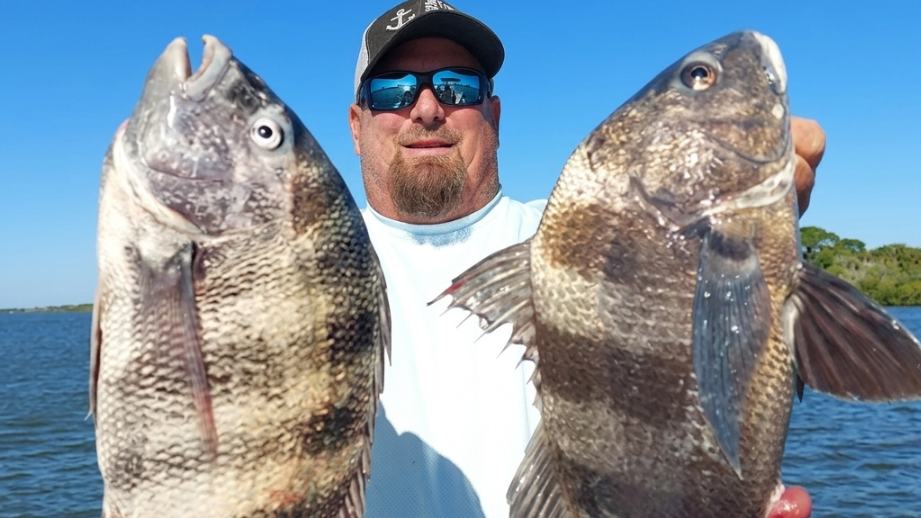
Meet your Captain Mike Davis
- Jettie Rocks Port Orange Fishing Charters


Summary
Fishing and tours adventures with Captain Mike Davis on Thursday, April showcase the diverse species thriving in Port Orange waters. This mixed catch experience demonstrates the rich marine life and productive fishing grounds that make this Florida destination a premier fishing location.
Fishing with Captain Mike Davis - Rates & Booking
Captain Mike Davis of Jettie Rocks Fishing Charters on Thursday, April delivers authentic fishing experiences on Port Orange's productive waters. Whether you're targeting sharks, flounder, or snapper, this charter combines local expertise with hands-on angling in one of Florida's most rewarding fishing destinations. Contact Jettie Rocks Fishing Charters to book your trip and discover why anglers return season after season.
Highlights of Your Port Orange Fishing Adventure
Port Orange's coastal waters deliver consistent action across multiple species. The shallow flats and deeper channels support thriving populations of Atlantic Sharpnose Sharks, Southern and Summer Flounder, Southern Kingcroaker, and Lane Snapper. These diverse fishing grounds mean every outing brings new opportunities and varied techniques, keeping your day dynamic and engaging.
The mixed catch you see here represents the seasonal abundance that makes Port Orange a premier fishing charter destination. Clear waters, accessible structure, and abundant baitfish create ideal conditions for targeting bottom dwellers, sharks, and schooling species throughout the year.
Local Species Insights: Atlantic Sharpnose Sharks & Coastal Fish
Port Orange's ecosystem supports a remarkable diversity of gamefish that thrive in the nutrient-rich waters where the Intracoastal Waterway meets deeper Atlantic channels. The Atlantic Sharpnose Shark, a resilient predator common to these waters, cruises the flats and channels hunting for smaller fish. These sharks are powerful fighters that test tackle and skill, making them prized targets for anglers seeking memorable battles.
The flounder species present here reveal the habitat's complexity. Southern Flounder patrol sandy bottoms and grass beds, ambushing prey with lightning-quick strikes. Summer Flounder, visitors to these warming waters during seasonal peaks, behave similarly but prefer slightly deeper channels. Both respond to live bait presentations and artificial lures worked along structure.
Southern Kingcroaker and Lane Snapper round out the diverse bottom fish population. These species hold tight to hard structure, reefs, and deeper holes where they feed throughout the day. Their presence indicates productive bottom terrain and consistent food chains that support healthy fish populations throughout the year.
The beauty of mixed species fishing in Port Orange is the versatility it requires. One moment you're sight-casting to tailing sharks on the flats, the next you're working deep channels for bottom species. This variety keeps your techniques sharp and your interest high, transforming a day on the water into an evolving adventure that challenges different skills and tactics.
Water clarity in Port Orange varies seasonally, but prime fishing windows typically coincide with moderate tides and stable weather patterns. Local knowledge about seasonal movements, tide cycles, and productive structure separates consistent success from random encounters. Captain Mike Davis and experienced charter guides understand these patterns intimately, positioning you where fish congregate and feeding activity peaks.
Fishing in Port Orange: Southern Flounder, Summer Flounder, Lane Snapper, Southern Kingcroaker and Atlantic Sharpnose Shark
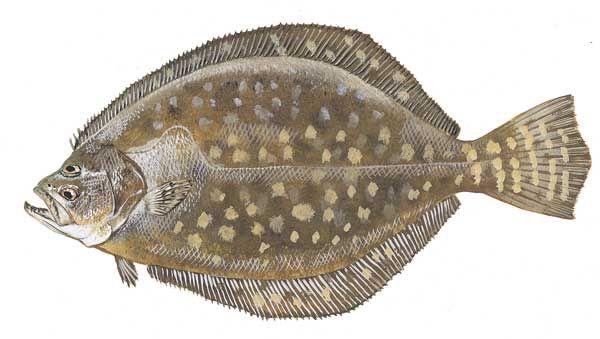
Southern Flounder Overview
The Southern Flounder (Paralichthys lethostigma) is a fascinating member of the Paralichthyidae family within the order Pleuronectiformes. What makes this flatfish truly remarkable is its distinctive asymmetrical eye placement—both eyes positioned on the left side of its head—and its remarkable ability to camouflage itself against sandy and muddy bottoms. These bottom-dwelling ambush predators are native to coastal waters across the Atlantic seaboard and Gulf of Mexico, making them a favorite target for both recreational and commercial anglers. Unlike their close cousin the Summer Flounder, Southern Flounders display numerous light and dark blotches rather than the oscillating spot patterns found on other flounder species. Whether you're casting lines near coastal channels or exploring estuaries, encountering this skilled predator is a genuine thrill that keeps anglers coming back season after season.
Southern Flounder Habitat and Distribution
Southern Flounders thrive in shallow coastal marine environments spanning from the Atlantic seaboard down through the Gulf of Mexico. You'll find them inhabiting sandy, rocky, or muddy bottoms in bays, rivers, lakes, estuaries, and inshore channels where they can easily ambush unsuspecting prey. These fish prefer staying in water shallow enough to maintain their bottom-dwelling lifestyle, which makes them accessible to shore-based and small boat anglers alike. During winter months, most adult specimens migrate offshore to deeper, warmer waters, so timing your fishing trips accordingly can significantly impact your success rates. The species thrives in areas with strong tidal currents and rich prey populations, making river mouths and coastal channels particularly productive fishing zones.
Southern Flounder Size and Weight
Southern Flounders typically range from 12 to 18 inches in length, with exceptional specimens stretching up to 33 inches or more. The average catch weighs around 1 to 4 pounds, which makes for excellent table fare and enjoyable sport on light-to-medium tackle. However, the all-tackle weight record stands at an impressive 20 pounds 9 ounces, proving that genuine trophy-sized flounders do exist for patient and skilled anglers willing to pursue them. Size varies considerably depending on habitat quality, water temperature, and food availability, with offshore populations generally producing larger specimens than their inshore cousins.
Southern Flounder Diet and Behavior
These masterful hunters are ambush predators that spend much of their day buried beneath sand or mud on the seafloor, waiting for unsuspecting prey to swim overhead. Their primary diet consists of worms, shrimp, blue crabs, and smaller fish species including anchovies, menhaden, and mullets. What's truly impressive is their ability to change color and pattern to perfectly match their surrounding substrate, effectively becoming invisible to both prey and predators. This chameleon-like adaptation is one of nature's most effective hunting strategies. Southern Flounders exhibit anguilliform swimming patterns, using their bodies and caudal fin to move gracefully through water despite their flattened body shape. Behaviorally, they're most active during tidal movements when increased water flow brings more food opportunities within striking distance.
Southern Flounder Spawning and Seasonal Activity
Female Southern Flounders demonstrate remarkable reproductive capacity, capable of releasing up to 9,000 eggs during a single spawning event. Spawning typically occurs during late fall and winter months, with larvae drifting into estuaries and shallow bays as nursery grounds throughout spring and early summer. Juvenile flounders grow rapidly in these nutrient-rich nurseries before gradually moving to deeper offshore waters as they mature. Males exhibit notably shorter lifespans compared to females, typically living only three years maximum, while females can reach considerably older ages. This pronounced sexual dimorphism in lifespan makes protecting breeding populations especially important for long-term fishery sustainability.
Southern Flounder Techniques for Observation or Capture
Still Fishing and Drift Fishing: The most effective method involves still fishing or drift fishing directly over known flounder habitat on sandy or muddy bottoms. Position your boat in channels or along drop-offs where these fish congregate. Use a single-hooked slip lead or free-line rig with heads ranging from 1/4 to 3/8 inches. Light-to-medium rod and reel combinations spooled with 10-pound test line work perfectly. Cast your rig uptide and maintain bottom contact, feeling for the characteristic tap-tap-tap of a feeding flounder.
Live Bait Presentation: Bull minnows, mullets, and live shrimp represent the gold standard baits for Southern Flounders. Present these offerings on the bottom where flounders hunt, allowing natural movement to trigger strikes. Around coastal areas like the Louisiana bayous or North Carolina sounds, fresh live shrimp often outperforms all other baits, particularly during peak tidal movements.
Fly Fishing: For a more engaging challenge, try fly fishing with medium-weight lines and small streamer patterns that mimic baitfish. Cast along channel edges and drop-offs, then execute slow, pulsing retrieves near the bottom. This technique works particularly well in shallower estuarine waters where sight-casting is possible.
Southern Flounder Culinary and Utilization Notes
Southern Flounder ranks among the finest eating flatfish available to anglers, featuring delicate, mild white meat with excellent flavor and tender texture. The meat cooks beautifully whether pan-seared, baked, or deep-fried, making it a favorite at both family dinners and upscale restaurants. A single 2-3 pound flounder provides a satisfying meal for two people, while larger specimens offer enough fillets for family gatherings. The high-quality protein, low fat content, and absence of strong fishy flavors make this species appealing even to seafood skeptics. From a sustainability perspective, recreational harvest at reasonable levels remains sustainable in most regions, though always check local regulations and size limits before keeping your catch.
Southern Flounder Frequently Asked Questions
Q: What is the best bait for catching Southern Flounder?
A: Live bull minnows, mullets, and shrimp consistently outperform artificial offerings. Fresh live shrimp typically produces the highest success rates, particularly during moving tide periods when flounders actively feed. The key is presenting your bait directly on the bottom where these ambush predators hunt.
Q: How do I distinguish a Southern Flounder from a Summer Flounder?
A: The most reliable distinguishing feature is the spot pattern on the dark side. Southern Flounders display numerous light and dark blotches and irregular spots, while Summer Flounders exhibit more uniform, oscillating spot patterns. Additionally, Southern Flounders typically have less developed pectoral fins compared to their cousins.
Q: When is the best time to catch Southern Flounder?
A: Spring through early fall offers excellent opportunities as fish remain in shallower inshore waters. Winter months see most flounders migrating offshore to deeper refuge, making them harder to access from shore. Tidal movements create peak feeding windows, so fish moving tides whenever possible for maximum productivity.
Q: Are Southern Flounders good to eat?
A: Absolutely—they rank among the finest-tasting flatfish available. The delicate white meat offers mild flavor and tender texture, cooking beautifully through multiple preparation methods. A 2-3 pound flounder provides an excellent meal, while larger specimens offer abundant fillets for family dining.
Q: What fishing techniques work best for Southern Flounder?
A: Still fishing and drift fishing over bottom habitat produce the most consistent results. Position your boat in channels or along defined drop-offs, maintaining bottom contact with your rig. Light-to-medium tackle spooled with 10-pound test line provides excellent sensitivity for detecting the subtle takes these bottom feeders produce.
Q: Can I sight-cast to Southern Flounder in shallow water?
A: Yes, in clear shallow estuaries and bays you can occasionally spot feeding flounders and cast to them directly. However, their excellent camouflage makes spotting them challenging. Fly fishing with streamers works well in these situations, though traditional bottom-fishing techniques remain more consistently productive.
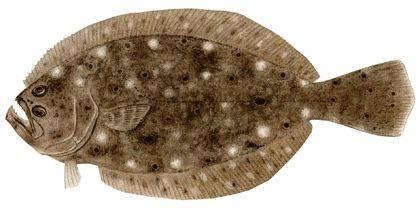
Summer Flounder Overview
The Summer Flounder, scientifically known as Paralichthys dentatus, is a fascinating flatfish species belonging to the family Paralichthyidae and order Pleuronectiformes. Known affectionately as the "chameleons of the sea," these remarkable fish are one of several sand flounders with both eyes positioned on the left side of their heads—a trait that develops as they mature from normal-looking juveniles. Summer Flounder are grayish-brown with lighter spots that provide excellent camouflage against the sandy and muddy seafloor where they spend their lives. This species is native to the Atlantic Coast and is a beloved target for anglers from Massachusetts to Florida, offering both an exciting fishing experience and excellent table fare.
Summer Flounder Habitat and Distribution
Summer Flounder are primarily found along the East Coast of the United States and Canada, thriving in waters that stretch from North Carolina to Massachusetts, with populations extending from Nova Scotia to eastern Florida. These demersal fish prefer both inshore and offshore environments, making their home in estuaries, bays, and continental shelf waters where sandy and muddy bottoms provide ideal hunting grounds. They typically occupy depths where they can effectively use their camouflage to ambush prey. The species is usually captured using bottom otter trawls, gillnets, and pound nets, indicating their preference for seafloor habitats. In popular fishing destinations along the Atlantic seaboard, Summer Flounder populations remain robust during the warmer months, with seasonal migrations influenced by water temperature and food availability.
Summer Flounder Size and Weight
The average Summer Flounder measures between 15 to 20 inches in length, though specimens can grow considerably larger, reaching up to 37 inches and weighing as much as 5 pounds. The largest recorded individuals have exceeded 26 pounds, making trophy-sized catches a genuine possibility for dedicated anglers. Female Summer Flounder typically grow larger and live longer than males, with maximum observed ages of 17 years for females and 15 years for males. Most fish you'll encounter while fishing will fall in the 15 to 20-inch range, making them ideal for both recreational catch-and-release and culinary purposes.
Summer Flounder Diet and Behavior
Summer Flounder are active ambush predators that rely on their exceptional camouflage and bottom-dwelling lifestyle to catch unsuspecting prey. These cunning hunters can rapidly change their coloring to match their surroundings, allowing them to blend seamlessly with the seafloor until an opportunity presents itself. When ambush tactics fail, they employ impressive swimming ability to chase down faster-moving prey. Their diet consists of a diverse array of bony fish including sand lance, menhaden, Atlantic silverside, mummichog killifish, and small bluefish, supplemented by invertebrates such as crabs, shrimp, and squid. Young Summer Flounder and juveniles face predation from spiny dogfish, monkfish, cod, hakes, sea raven, and longhorn sculpin, while adult fish are vulnerable to large sharks, rays, and monkfish. This natural predation helps maintain ecological balance in coastal marine ecosystems.
Summer Flounder Spawning and Seasonal Activity
Summer Flounder exhibit fascinating reproductive behavior, with peak spawning occurring during October and November when water temperatures drop and plankton abundance reaches seasonal highs. This timing is no accident—the combination of optimal water conditions and abundant food resources significantly increases survival rates for larval Summer Flounder hatching in continental shelf waters. Female Summer Flounder are remarkably prolific, producing between 460,000 to more than 4 million eggs during a spawning season. While these fish can be caught year-round, they are considerably easier to catch between September and November when they're most active and concentrated in accessible fishing areas. Spring and summer months see them more dispersed, though committed anglers can still find success with proper techniques and location knowledge.
Summer Flounder Techniques for Observation and Capture
Live Bait Method: Summer Flounder respond exceptionally well to live baitfish, making this the most effective angling approach. Use live minnows, mullet, or croakers, hooking smaller baits through the eye and larger specimens through the lips. A standard 7-foot casting rod paired with sturdy line capable of handling larger fish is the go-to setup for most anglers. Cast near structure, sandy patches, and channel edges where Flounder commonly hunt. Around coastal cities like Montauk, New York and similar Atlantic fishing hubs, targeting deeper channels during tidal changes often yields impressive results.
Natural Bait Alternative: Sea worms and clams are also effective attractants that Summer Flounder find irresistible. Use a circle hook, as these are easier for Flounder to properly bite, improving your hook-up ratio significantly. A sinker may be necessary to keep your bait within reach of bottom-dwelling Flounder, particularly in deeper offshore waters.
Timing and Location Strategy: Fish during slack tide or early in the tidal change when Flounder are most actively feeding. Target sandy and muddy bottom habitats in 15 to 60 feet of water, adjusting depth based on seasonal migration patterns. The fall migration (September through November) concentrates fish in predictable locations, making this the optimal season for consistent success.
Summer Flounder Culinary and Utilization Notes
Summer Flounder possess excellent food quality and are highly prized for their delicate, flavorful white flesh. The meat is lean and mild, making it suitable for a wide variety of culinary preparations including pan-frying, baking, steaming, and poaching. Their flat body structure yields beautiful fillets with minimal waste. Nutritionally, Summer Flounder provide excellent protein, omega-3 fatty acids, and essential minerals. It's important to note that a permit is required for the commercial sale and purchase of Summer Flounder, supporting sustainable fishery management along the Atlantic Coast. Recreational anglers can keep legal-sized fish for personal consumption, contributing to both food security and connection with coastal traditions.
Summer Flounder Frequently Asked Questions
Q: What is the best bait for catching Summer Flounder?
A: Live baitfish such as minnows, mullet, and croakers are highly effective, as are sea worms and clams. Hook smaller baits through the eye and larger ones through the lips. Circle hooks are recommended because they're easier for Flounder to bite securely.
Q: Where can I find Summer Flounder near major fishing cities?
A: Summer Flounder are abundant along the entire Atlantic Coast from North Carolina to Massachusetts. Popular spots include estuaries, bays, and offshore channels. Around cities like Boston, New York, and Wilmington, look for sandy and muddy bottom habitats in 15 to 60 feet of water during the September through November migration season.
Q: Is Summer Flounder good to eat?
A: Absolutely! Summer Flounder have excellent food quality with delicate, flavorful white flesh that's lean and versatile. They're suitable for pan-frying, baking, steaming, or poaching, and provide excellent nutrition including protein and omega-3 fatty acids. A permit is required for commercial sale, but recreational anglers can keep legal-sized fish for personal consumption.
Q: When is the best time to catch Summer Flounder?
A: While catchable year-round, Summer Flounder are easiest to catch between September and November during their fall migration. Spring and summer require more effort, but success is still possible for patient anglers. Peak spawning occurs in October and November when fish are most concentrated and active.
Q: What fishing gear setup do I need for Summer Flounder?
A: A standard 7-foot casting rod paired with sturdy line capable of handling larger fish is the recommended setup. Use circle hooks for better hook-ups, and include a sinker to keep your bait near the bottom where Flounder hunt. Adjust sinker weight based on water depth and current strength.
Q: Why are Summer Flounder called "chameleons of the sea"?
A: Summer Flounder have the remarkable ability to rapidly change their coloring to match the texture and color of the bottom where they live. This exceptional camouflage allows them to blend invisibly with the seafloor, giving them a significant advantage when ambush hunting for prey. This adaptive capability is why anglers sometimes see them practically vanish against sandy or muddy backgrounds.
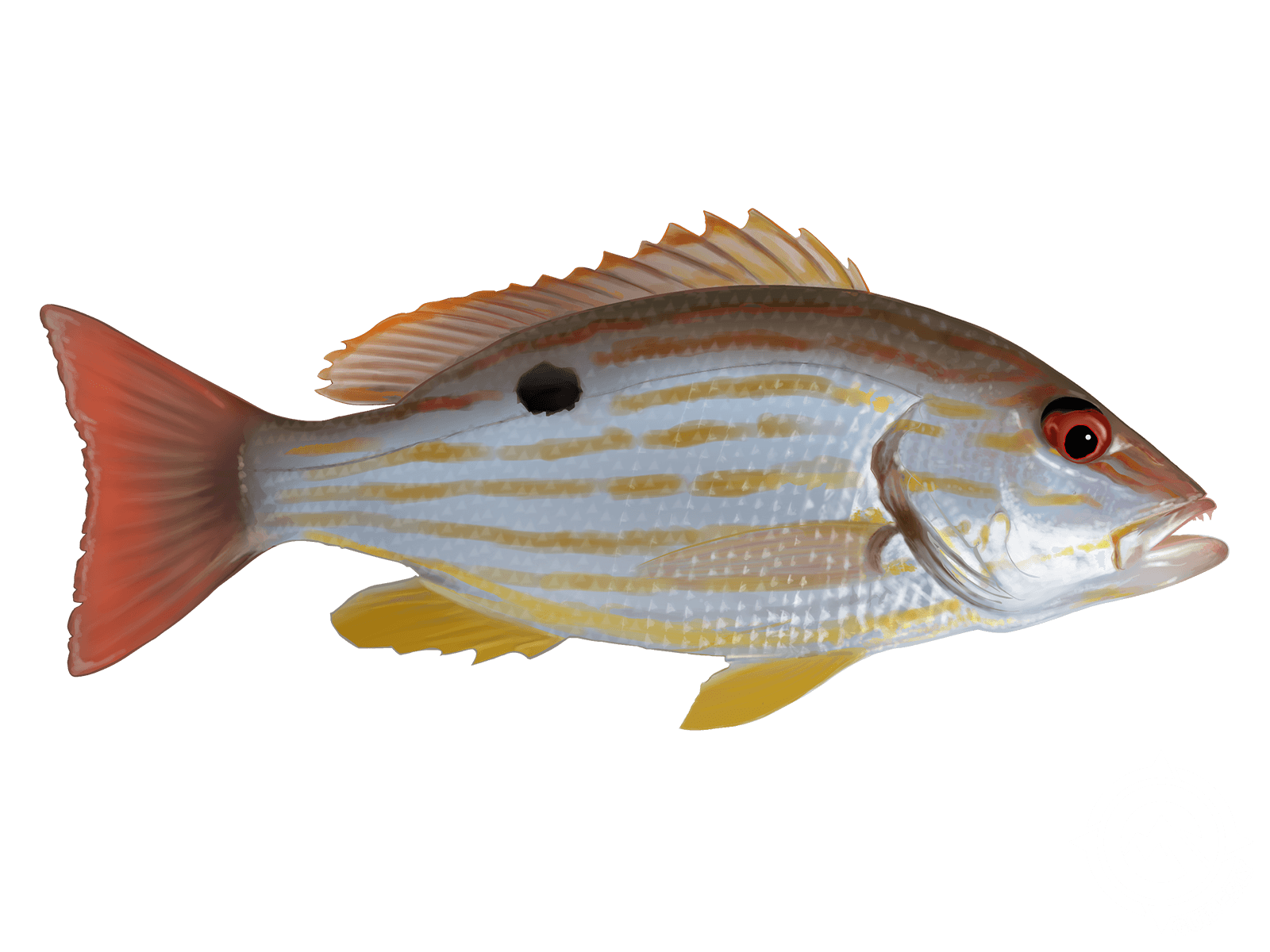
Lane Snapper Overview
The Lane Snapper (Lutjanus synagris) is a vibrant and spirited member of the Lutjanidae family within the order Perciformes. This almond-shaped coral fish gets its name from the striking pink and yellow lines that run along its silver body, resembling colorful candy cane stripes or traffic lanes. Found throughout the western Atlantic Ocean from North Carolina down to Brazil, the Lane Snapper is a favorite among both recreational anglers and seasoned fishermen seeking an exciting catch with good food value. Known for their aggressive nature and willingness to strike, these fish are often referred to as a "dessert fish" by locals because they frequently end up in coolers as delightful bonuses when anglers are targeting red snappers and other species. What makes this species particularly fascinating is their documented ability to hybridize with closely related species like the Yellowtail Snapper, suggesting a genetic similarity that scientists continue to study with great interest.
Lane Snapper Habitat and Distribution
Lane Snappers thrive in diverse marine environments throughout the western Atlantic, with their range stretching from the coastal waters of North Carolina through the Gulf of Mexico, down the Caribbean, and as far south as Brazil. Higher population concentrations are typically found in the Antilles off the Panama Coast and along the northern coast of South America, making these regions prime destinations for fishing expeditions. Adult Lane Snappers generally remain in the same territory for their entire lifespan, showing strong site fidelity to their preferred hunting grounds. While these fish have been recorded at depths reaching 1,300 feet in offshore waters, they most commonly thrive between 69 and 230 feet of water. Larger specimens tend to congregate in relatively shallow waters, though they become less abundant in these areas. Their preferred habitats include coral reefs and sandy bottoms abundant with vegetation, where they can hunt effectively for prey. They adapt well to both pristine and murky water conditions, making them accessible to anglers in various coastal and nearshore environments. The species also inhabits the waters around Bermuda and throughout the Gulf of Mexico, providing excellent opportunities for targeting them across a wide geographic range.
Lane Snapper Size and Weight
Lane Snappers are generally modest in size compared to larger snapper species, typically ranging from 10 to 24 inches in length, with most fish averaging around 20 inches. While they're not considered trophy fish in the traditional sense, their spirited fighting ability makes them exciting quarry regardless of size. Weight-wise, these fish generally tip the scales at a minimum of 3 pounds, with average catches hovering around 7 pounds. The current world record for a Lane Snapper stands at an impressive 8 pounds and 3 ounces, a benchmark that motivates many anglers seeking their personal best. These size ranges make them excellent table fare as well—large enough to provide a satisfying meal yet small enough to handle with standard fishing equipment and coolers. Their compact but powerful build contributes to their reputation as scrappy fighters when hooked.
Lane Snapper Diet and Behavior
Lane Snappers are carnivorous bottom feeders with a diverse and opportunistic diet that reflects their aggressive hunting style. Their primary prey includes small crustaceans such as swimming crabs, mantis shrimp, rock shrimp, and freshwater shrimp, along with mollusks, snails, smaller fish species, and cutlassfish. These fish typically feed along the ocean floor, using their keen senses to locate movement and vibrations from potential meals. They are primarily nocturnal feeders, showing increased feeding activity during evening and nighttime hours, which is crucial information for anglers planning their fishing trips. Their behavior is notably less wary than many other game fish species—they don't hesitate to strike at hooks and lines with enthusiasm, though once hooked they put up a spirited battle that keeps anglers engaged. Lane Snappers often school together, particularly around structure like coral reefs and vegetated sandy areas, increasing the likelihood of multiple catches in productive zones. Their aggressive temperament and willingness to feed consistently throughout the day make them relatively easy to target compared to more cautious species.
Lane Snapper Spawning or Seasonal Activity
The spawning season for Lane Snappers extends from March through September, with activity intensifying during these warmer months when water temperatures are optimal for reproduction. Fish generally reach sexual maturity and reproductive readiness at around 6 inches in length, considerably smaller than their adult size. During the breeding season, anglers can expect to find Lane Snappers in large congregations, increasing the odds of successful catches significantly. The spawning mechanism involves eggs that drift freely in water currents, with remarkably rapid hatching occurring within just 23 hours of fertilization. This extended spawning period, spanning seven months of the year, means that productive fishing windows remain open for much of the warmer season. Understanding this seasonal pattern helps anglers plan trips during peak abundance periods when numbers are highest and feeding activity is most aggressive.
Lane Snapper Techniques for Observation or Capture
Method 1: Hook and Line with Live Bait
The most effective and popular technique for catching Lane Snappers involves traditional hook and line fishing with live or fresh-frozen baits. Optimal bait choices include live or dead shrimp, squid, fresh-cut bait, and small minnows—all of which readily entice these aggressive feeders. Target areas around coral reefs and vegetated sandy bottoms in inshore and nearshore waters, positioning yourself over structure where snappers naturally congregate. Fish during evening and nighttime hours when feeding activity peaks, or time your trips during the March-through-September spawning season when populations are densest. Use standard-weight casting or spinning gear suitable for bottom fishing, dropping your baited rig to depths between 69 and 230 feet where Lane Snappers most commonly hunt. Around Florida's Gulf Coast and the Caribbean islands, the combination of coral reefs and sandy structure near passes and drop-offs consistently produces excellent results.
Method 2: Synthetic Lures and Jigging
While live bait remains the primary choice, Lane Snappers also respond well to artificial lures, particularly small jigs and soft plastic baits that mimic their natural prey. Cast or jig these lures near coral head structures and along sandy bottom transitions where snappers patrol for food. This method works particularly well during peak feeding times and allows for more active fishing that covers larger areas. The aggressive nature of Lane Snappers means they strike decisively at moving targets, providing good odds for successful hook-ups when you locate productive zones.
Method 3: Night Fishing During Breeding Season
Capitalize on their nocturnal feeding behavior and spawning season congregation by planning night fishing expeditions from March through September. Use lights to attract baitfish and smaller organisms that snappers feed upon, which naturally draws the larger predators to your fishing location. Position yourself in nearshore waters between 69 and 230 feet deep over structure, keeping in mind that Lane Snappers often congregate in large numbers during these months.
Lane Snapper Culinary or Utilization Notes
Lane Snappers are considered good eating with firm, white flesh that takes well to various cooking methods. The food quality is rated as good odds, making them a worthwhile catch for anglers interested in fresh seafood. Their modest size of 7-8 pounds on average provides ideal portions for a family meal or small group feast. The flesh has a mild, slightly sweet flavor that appeals to most palates, making them excellent candidates for grilling, baking, pan-searing, or frying. Sustainability-wise, while they're not currently listed as endangered, practicing catch-and-release for smaller specimens and adhering to local regulations ensures continued healthy populations for future generations. Their versatility in the kitchen and consistent availability make them a staple target for culinary-minded anglers throughout their range.
Lane Snapper Frequently Asked Questions
Q: What is the best bait for catching Lane Snappers?
A: Live or fresh-frozen shrimp, squid, cut bait, and small minnows are all highly effective choices. Lane Snappers respond aggressively to these baits, particularly when presented on the ocean floor near coral reefs and vegetated sandy areas. The species is not particularly selective, making bait fishing highly productive compared to many other snapper species.
Q: Where can I find Lane Snappers near popular fishing destinations?
A: Lane Snappers are abundant throughout the Caribbean, Gulf of Mexico, and along the Florida coast, particularly around Bermuda and throughout the Antilles. Focus on inshore and nearshore coral reef structures in depths between 69 and 230 feet. Local fishing charters and bait shops in major ports can provide current information on productive zones and recent catches in your specific area.
Q: Is the Lane Snapper good to eat?
A: Yes, absolutely! Lane Snappers provide good-quality table fare with firm, white flesh that has a mild, slightly sweet flavor. Their average size of 7-8 pounds provides excellent portions for cooking, and they take well to grilling, baking, pan-searing, and frying. Many anglers specifically target them for both the fight and the meal.
Q: When is the best time to catch Lane Snappers?
A: The spawning season from March through September offers the best odds, as fish congregate in large numbers during these warmer months. Within each day, nighttime and evening hours produce the most aggressive feeding activity. Early morning hours just after sunrise can also be productive, though nighttime fishing typically yields superior results.
Q: Why are Lane Snappers called "dessert fish"?
A: This nickname refers to their frequent appearance as pleasant bonus catches when anglers are targeting other species like red snappers, grouper, and squid. They're not usually the primary target but rather an unexpected treat that ends up in the cooler—hence the dessert reference.
Q: Can Lane Snappers hybridize with other species?
A: Yes, Lane Snappers are known to cross-breed with Yellowtail Snappers and other closely related species, with documented hybrid catches occurring repeatedly. This genetic compatibility suggests that these species share more similarities than previously believed, and these hybrids are occasionally encountered by anglers fishing in overlapping habitats.

Southern Kingcroaker Overview
The Southern Kingcroaker (Menticirrhus Americanus), belonging to the family Sciaenidae and order Perciformes, is a fascinating coastal gamefish that has earned a loyal following among anglers and seafood enthusiasts alike. This slender, distinctive fish is instantly recognizable by its brownish bronze body with blue reflections, metallic gold markings on its head and tail, and a uniquely rounded, spatula-shaped tail fin. What really sets the Southern Kingcroaker apart is its remarkable ability to produce audible sounds—both a thrumming vibration created by abdominal muscles against its swim bladder and distinctive clicking noises made with its teeth. These vocalizations have made it a subject of fascination for both recreational and commercial fishermen along the Atlantic coast. Whether you're exploring Delaware Bay or fishing the Carolina coast, this species delivers consistent action and excellent table fare.
The Southern Kingcroaker is commonly known by several regional names, including Southern Kingfish (the most widespread), Whiting in South Carolina, and Ground Mullet in North Carolina. This naming confusion means many anglers unknowingly target this species without realizing its true identity, making it one of the more underappreciated fish in coastal waters.
Southern Kingcroaker Habitat and Distribution
Southern Kingcroakers are creatures of the nearshore zone, thriving in the troughs and channels that characterize the surf zone and slightly deeper waters just beyond the breakers. They show a marked preference for sandy and rocky substrates where coquina clams and other invertebrates flourish—perfect hunting grounds for a bottom-feeding specialist like this species. During warmer months, these fish migrate closer to shore and toward the surface, making them significantly more accessible to beach and pier anglers. In cooler seasons, they retreat to deeper water just offshore, though dedicated anglers can still locate and catch them with proper technique and patience.
Delaware Bay stands out as a premier spawning ground for Southern Kingcroakers, though interestingly, the species doesn't qualify for individual Delaware State Records despite their abundance in these waters. Throughout their range along the Atlantic coast, from the Mid-Atlantic through the Carolinas, they inhabit rivermouth areas and onshore environments where saltwater mixes with freshwater influence, creating ideal feeding conditions.
Southern Kingcroaker Size and Weight
The typical Southern Kingcroaker measures between 12 to 20 inches in length, with most specimens caught by recreational anglers falling in the 12 to 15-inch range. Average weights run from 1 to 3 pounds, making them a perfect target for medium-light tackle enthusiasts who enjoy a sporting fight without requiring heavy-duty equipment. The largest recorded Southern Kingcroaker reached approximately 2.4 pounds, though specimens regularly approach or exceed 2 pounds in productive waters. Their slender, elongated body profile makes them feel larger and fight harder than their actual weight might suggest, which adds to their appeal among anglers seeking a fun, reactive experience on lighter gear.
Southern Kingcroaker Diet and Behavior
The Southern Kingcroaker's inferior-terminal mouth—positioned more toward the bottom of its head—reveals its identity as a dedicated bottom feeder and mollusk specialist. These fish actively hunt shrimp and crabs with enthusiasm, but they're equally content consuming mollusks and amphipods found in sandy substrates. On slower feeding days, they'll scavenge detritus and carrion, displaying the adaptability that makes them reliable targets year-round. Their sound-producing abilities serve multiple purposes: the thrumming vibrations likely function in communication and territorial disputes, while tooth-clicking sounds may signal feeding activity or stress responses. This acoustic behavior, combined with their predictable feeding preferences, has made them favorites among anglers who fish the shallows and understand their bottom-hugging habits.
Southern Kingcroaker Spawning and Seasonal Activity
Spring and early summer represent prime time for Southern Kingcroaker abundance and catchability, when massive spawning aggregations move into nearshore waters. Delaware Bay serves as a critical spawning destination, where reproductive activity reaches peak intensity. During these seasons, fish concentrate in predictable locations, making them far easier to locate and catch than during fall and winter months. As water temperatures cool into autumn, the population gradually disperses toward deeper offshore waters, though fishing remains possible for determined anglers willing to venture further from shore. Summer offers the best combination of accessibility and activity, with fish positioned close to the beach where they're vulnerable to both live bait and properly presented artificial offerings.
Southern Kingcroaker Techniques for Observation or Capture
Live Bait Method: The most effective technique for catching Southern Kingcroakers involves live or freshly-cut natural baits rather than artificial lures, which they actively avoid. Deploy fresh clams, squid, bloodworms, or live shrimp on a medium-light rod with fast action—this combination provides enough sensitivity to detect the subtle taps and nibbles these fish are known for. Use a 1.5 to 3-ounce sinker depending on surf conditions, allowing your bait to rest on the bottom where these bottom-feeders naturally hunt. Cast into the troughs and channels of the surf zone during morning and evening hours when activity peaks.
Tackle Setup: A medium-light rod paired with appropriate line weight and a quality reel creates the optimal platform for enjoying these fish without over-powering them. Terminal tackle should include small circle hooks (sizes 1/0 to 3/0) that match your bait size, minimizing the chance of deep hooking while maximizing hook-up ratios. The fast-action rod tip lets you set the hook quickly when you feel that characteristic tap that precedes a committed strike.
Localized Approach: Around Delaware Bay and the Carolina coast, fish the nearshore troughs during incoming tides when baitfish and crustaceans become more active and Southern Kingcroakers feed most aggressively. Focus your efforts on sandy areas with visible coquina clam beds, as these mollusks indicate prime feeding habitat. Spring through early summer offers peak results, though consistent catches occur throughout the warmer months when the species remains in shallow, accessible waters.
Southern Kingcroaker Culinary and Utilization Notes
The Southern Kingcroaker deserves recognition as excellent table fare, offering firm, mild-flavored white flesh that appeals to a wide range of palates. Their culinary qualities have earned them respect among both recreational and commercial fishermen, with many considering them superior to more famous gamefish species. The firm texture holds up beautifully to various cooking methods—pan-searing, baking, broiling, and frying all produce outstanding results. Their mild flavor profile accepts bold seasonings and delicate preparations equally well, making them versatile for creative cooking. Beyond recreation, these fish support sustainable harvest practices where regulations permit, contributing to local food systems and reducing pressure on larger, slower-growing species. The consistent size and availability of Southern Kingcroakers make them practical targets for families and anglers seeking both sport and dinner.
Southern Kingcroaker Frequently Asked Questions
Q: What is the best bait for catching Southern Kingcroakers?
A: Live or freshly-cut clams, squid, bloodworms, and live shrimp consistently outperform other options. Southern Kingcroakers actively avoid artificial lures, so natural presentations are essential. Fresh-cut bait slightly outperforms live options when targeting multiple fish quickly, though live bait produces larger individuals in some situations.
Q: Where can I find Southern Kingcroakers near Delaware Bay?
A: Delaware Bay serves as the premier spawning ground for Southern Kingcroakers along the Atlantic coast. Fish the nearshore troughs and sandy areas during spring and early summer when populations peak. Focus on areas with visible coquina clam beds, as these mollusks indicate prime feeding habitat where the species congregates.
Q: Is the Southern Kingcroaker good to eat?
A: Absolutely. Southern Kingcroakers are known for their firm, mild-flavored white flesh that accepts various cooking preparations beautifully. Pan-searing, baking, and frying all produce excellent results. Their culinary reputation rivals or exceeds that of many more famous gamefish species, making them a worthwhile addition to your catch for dinner.
Q: When is the best time to catch Southern Kingcroakers?
A: Spring through early summer represent prime seasons when populations move into shallow, accessible waters near shore. During these months, fish position themselves in the troughs and channels of the surf zone where they're highly vulnerable to proper baits and techniques. Summer extends this peak period, though productive fishing continues through early fall.
Q: What tackle should I use for Southern Kingcroakers?
A: Medium-light rods with fast action provide the optimal balance, allowing you to feel subtle strikes while maintaining a sporting fight. Pair your rod with appropriate line weight (8-12 pound test is standard), small circle hooks (sizes 1/0 to 3/0), and sinkers ranging from 1.5 to 3 ounces depending on surf conditions.
Q: Why are Southern Kingcroakers called by so many different names?
A: Regional naming conventions reflect local fishing traditions and dialect differences. South Carolina calls them Whiting, North Carolina refers to them as Ground Mullet, while Southern Kingfish is the most widespread common name. This naming confusion means many anglers unknowingly target this species without realizing they've caught a Southern Kingcroaker, which is part of what makes this underappreciated species so special to those who know its true identity.

The Atlantic Sharpnose Shark (Rhizoprionodon terraenovae) is a small but spirited member of the Carcharhinidae family within the order Carcharhiniformes. Known for its distinctively long, pointed snout—hence the name—this tiny shark typically measures between 39 and 48 inches and weighs just 7 to 9 pounds, making it one of the smallest shark species you're likely to encounter. With its brownish to olive-gray body, contrasting white underside, and signature white dots along its sides paired with black-tipped dorsal and caudal fins, the Atlantic Sharpnose Shark is instantly recognizable once you know what to look for. What makes this species particularly special is how abundant it remains along the coasts of Florida, South Carolina, and the Gulf of Mexico, where summer beachgoers and anglers frequently cross paths with these feisty little predators—and despite their fearsome reputation, they're genuinely more curious than dangerous.
Atlantic Sharpnose Shark Overview
The Atlantic Sharpnose Shark is probably the most encountered shark species along America's Atlantic coast, especially during warmer months. These small but aggressive hunters are beloved by recreational anglers because they're easy to catch, readily available year-round, and put up a surprisingly strong fight despite their diminutive size. Unlike their larger, more intimidating cousins, this shark poses minimal threat to humans—their small mouths and lightweight frames mean their bites, while sharp, rarely cause serious injury. For many fishing enthusiasts, landing a sharpnose is a rite of passage; for commercial operators and aquarium keepers, they represent a sustainable resource that remains wonderfully abundant despite consistent fishing pressure. Whether you're an experienced angler chasing gamefish or simply curious about the sharks cruising in shallow Atlantic waters, understanding this species enhances your appreciation for coastal marine life.
Atlantic Sharpnose Shark Habitat and Distribution
The Atlantic Sharpnose Shark ranges throughout the western Atlantic, from as far north as New Brunswick, Canada, all the way south to the waters of southern Brazil. Within the United States, however, they're most abundant in warm-temperate to tropical environments along the coasts of South Carolina, Florida Keys, and the Gulf of Mexico. These sharks are true coastal dwellers, preferring shallow waters where they patrol surf zones, sandy bays, and even brackish estuaries where freshwater meets salt. Unlike some shark species that venture into the deep, sharpnose sharks remain remarkably faithful to their nearshore habitat throughout most of the year—which is precisely why they're so accessible to anglers and so commonly sighted near populated beaches. Females are the exception: during gestation, they migrate offshore to deeper waters for protection, then return ten to eleven months later to shallow nurseries where they give birth, creating a fascinating seasonal rhythm along the coast.
Atlantic Sharpnose Shark Size and Weight
The typical Atlantic Sharpnose Shark measures between 39 and 48 inches in length and weighs between 7 and 9 pounds—small enough to fit comfortably in a cooler, yet substantial enough to deliver genuine excitement on light tackle. The maximum recorded size hovers just under four feet, with the largest specimens occasionally topping nine pounds. Interestingly, females grow slightly larger than males, an unusual reversal from many fish species. This diminutive stature is actually a major draw for anglers: smaller means more aggressive, faster to boat, easier to handle, and perfect for introducing newcomers to shark fishing without overwhelming gear or intimidating experiences. The modest size also means these sharks metabolize rapidly and feed frequently, making them reliably catchable throughout the day and across all seasons.
Atlantic Sharpnose Shark Diet and Behavior
Despite their small size, Atlantic Sharpnose Sharks are apex predators within their ecological niche, feeding voraciously on small fishes like jacks, wrasses, and silversides, as well as marine invertebrates including shrimp, crabs, worms, and mollusks. These sharks are opportunistic hunters that swim at average speeds around five miles per hour but accelerate significantly when prey is detected. What anglers love most about this species is their aggressive, indiscriminate feeding behavior: they'll attack nearly any bait—live or dead—presented in their territory, making them one of the easiest sharks to hook. However, this eagerness can frustrate anglers targeting other species; sharpnose sharks frequently snatch hooked fish meant for other gamefish, earning them a reputation as persistent nuisances among some fishing communities. Aside from humans and commercial fishing pressure, larger shark species are their primary predators, keeping populations in check through natural predation.
Atlantic Sharpnose Shark Spawning and Seasonal Activity
The Atlantic Sharpnose Shark follows a fascinating reproductive cycle tied closely to seasonal migration patterns. Mating season commences in late spring to early summer, after which females become pregnant and eventually migrate to deeper offshore waters—a behavioral adaptation that protects developing embryos from the hazards of shallow coastal zones. After approximately ten to eleven months of gestation, pregnant females return to shallow waters, bays, and estuaries during late winter and early spring to give birth to live pups, typically delivering an average litter of four young sharks. This viviparous reproduction strategy (live birth rather than eggs) is shared across the Carcharhinidae family and represents an evolutionary advantage in colder waters and unpredictable coastal environments. The predictability of this migration cycle means anglers can anticipate peak fishing periods: spring returns correlate with excellent catches as females move toward nursery grounds, and summer through fall offers consistent action as juveniles and non-breeding adults patrol coastal shallows.
Atlantic Sharpnose Shark Techniques for Observation and Capture
Light-Tackle Casting and Jigging: The most popular method involves lightweight spinning gear with 15- to 20-pound test line and small jigs or spoons. Cast near structure, drop-offs, and deeper channels adjacent to shallow flats. Sharpnose sharks respond eagerly to erratic movements, and the visual strikes are thrilling. This technique works exceptionally well around Florida Keys and throughout the Gulf of Mexico during summer and early fall.
Bait Fishing with Rod and Reel: Use fresh or frozen cut bait—mullet, bonito, or mackerel work excellently—on simple rigs positioned in surf zones, channels, and bay mouths. A standard rig with a 3/0 to 5/0 circle hook and light sinker will allow baits to drift naturally. Fish are responsive throughout the day, but dawn and dusk often produce the most aggressive strikes. No chumming is necessary; their keen sense of smell detects bait from impressive distances.
Wading and Visual Stalking: In shallow clear water—particularly around South Carolina and Florida—wading with sight-casting techniques can be incredibly rewarding. Polarized sunglasses reveal cruising sharks in 2 to 4 feet of water. Cast small lures or live baitfish ahead of detected movement and prepare for explosive strikes. This method combines hunting and fishing in a way that creates unforgettable encounters with these diminutive predators.
Pro Tip for Florida Anglers: Around the Florida Keys and Gulf Coast, plan fishing excursions for mid-morning through late afternoon when water temperature peaks and shark activity intensifies. Bring heavy gloves and a landing net—their rough skin and razor-sharp teeth demand respect, and proper equipment ensures safe, successful releases or clean landings.
Atlantic Sharpnose Shark Culinary and Utilization Notes
The Atlantic Sharpnose Shark has earned a respectable reputation in culinary circles, with meat considered tasty and suitable for various preparations. The flesh is lean, firm, and accepts flavoring well—popular preparations include grilling, frying, and even ceviche in coastal communities. However, moderation in consumption is wise; like many shark species, sharpnose sharks can accumulate mercury and other contaminants, so health authorities recommend limiting intake, particularly for pregnant women and young children. Beyond direct consumption, these sharks serve secondary purposes: their bodies are utilized as bait for larger shark species, and they remain popular specimens in both public and private aquariums due to their manageable size and dynamic behavior. The sustainability outlook is positive; despite significant fishing pressure from both recreational and commercial interests, populations remain abundant and stable, making the species a responsible choice for harvest or observation.
Atlantic Sharpnose Shark Frequently Asked Questions
Q: What is the best bait for catching Atlantic Sharpnose Sharks?
A: Cut mullet, bonito, mackerel, and live shiners all produce excellent results. The key is freshness and scent dispersal; these sharks detect chemical signals from impressive distances. Live bait often triggers more aggressive strikes than dead bait, but both remain effective year-round. Match bait size to hook size (typically 3/0 to 5/0 circle hooks) and allow natural drift or slight bottom contact.
Q: Where can I find Atlantic Sharpnose Sharks near South Carolina and Florida?
A: Concentrate efforts in shallow bays, sound systems, estuaries, and coastal drop-offs from 3 to 20 feet deep. Around South Carolina, focus on Charleston Harbor and Beaufort inlet areas. Throughout Florida, the Keys, Gulf Coast, and Atlantic-side inlets all harbor abundant populations. Summer months (June through September) see peak concentrations as fish migrate inshore to warmer, shallower nurseries.
Q: Is the Atlantic Sharpnose Shark good to eat?
A: Yes, the meat is said to be quite tasty and has a mild, slightly sweet flavor. The flesh is lean and firm, lending itself well to grilling, frying, and baking. However, consume in moderation due to potential mercury accumulation. A single fish provides excellent table fare for a small family dinner, and many coastal communities maintain traditional recipes passed through generations.
Q: When is the best time to catch Atlantic Sharpnose Sharks?
A: You can fish for these sharks year-round, but spring through fall offers peak activity and accessibility. Late spring (May–June) and summer (July–August) represent prime season when water temperatures soar and sharks concentrate in shallow, warm waters. Early morning and late afternoon often produce the most aggressive feeding, though mid-day action remains consistent during summer months.
Q: Are Atlantic Sharpnose Sharks dangerous to swimmers and anglers?
A: These sharks pose minimal threat due to their small size and modest bite force. While their teeth are razor-sharp, their diminutive jaws and lightweight frames mean serious injury is extraordinarily rare. Anglers should wear gloves when handling to protect against rough skin and sharp teeth, but the sharks themselves show little interest in confrontation. Swimmers encounter them regularly in Florida and Gulf Coast waters without incident.
Q: How do I identify an Atlantic Sharpnose Shark compared to other small shark species?
A: The most distinctive feature is the long, pointed snout (rostrum) that gives the species its name. Look for the brownish to olive-gray coloring with white underside, characteristic small white spots along the sides, and black-tipped dorsal and caudal fins. Their small size (typically under four feet) differentiates them from most other requiem sharks, and their slender, streamlined build is unmistakable once you develop a practiced eye.