%2Ffit-in%2F250x250%2Fguide_websites%2F132155%2Fimages%2F1776912270625jettierocksfishingcharters.png&w=1920&q=100)
Catch Smooth Hammerhead Sharks in Port Orange FL
Hammerhead Shark Fishing in Port Orange - What to Expect
%2F%2Fusers%2F981ed892-16b3-4c32-a2a0-fa654d36b957%2Fimages%2Fsmooth-hammerhead-port-orange-florida-2598.jpg&w=1920&q=75)
Fishing, Tours Adventures by Captain Mike Davis in April
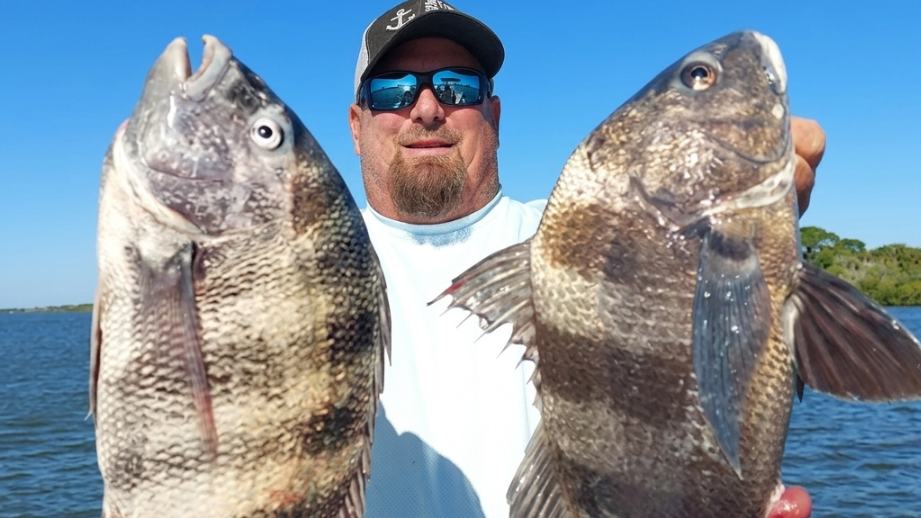
Meet your Captain Mike Davis
- Jettie Rocks Port Orange Fishing Charters


Summary
Fishing and tours adventures in Port Orange deliver thrilling encounters with species like the smooth hammerhead shark. On Thursday, April, Captain Mike Davis guides anglers through the Atlantic waters where these remarkable predators patrol the depths, offering an unmatched blend of challenge, excitement, and natural wonder.
Fishing with Captain Mike Davis - Rates & Booking
Captain Mike Davis of Jettie Rocks Fishing Charters on Thursday, April offers specialized hammerhead shark fishing experiences in Port Orange's rich offshore ecosystem. These expeditions combine technical skill with genuine respect for the marine environment, targeting one of the ocean's most distinctive and powerful species. Anglers gain access to Captain Mike's years of local expertise, proven techniques, and comprehensive fishing gear. All equipment and professional guidance are included to maximize your success rate and safety throughout the day. To secure your charter and discuss specific trip details, contact Jettie Rocks Fishing Charters directly for current availability and custom package options.
Highlights of Hammerhead Shark Fishing
The smooth hammerhead represents one of the most exciting species to pursue from Port Orange waters. These sharks are known for their distinctive head shape, which functions as a sensory organ packed with electroreceptors, giving them an evolutionary advantage in detecting prey buried in sandy bottoms. Encountering a hammerhead demands preparation, patience, and the kind of local knowledge Captain Mike brings to every charter. The offshore reefs and deep channels near Port Orange create ideal hunting grounds for these apex predators, especially during active feed windows.
What makes hammerhead fishing memorable is the raw power and unexpected intelligence these animals display. When a hammerhead takes your bait, the fight tests your physical endurance and mental focus. The experience goes beyond sport—it's a direct connection to one of the ocean's most specialized predators and a genuine conservation moment when you witness their grace and strength firsthand.
Local Species Insights: Smooth Hammerhead
The smooth hammerhead shark is a pelagic predator that inhabits Atlantic coastal waters and offshore environments throughout Florida. Unlike their great hammerhead cousins, smooth hammerheads typically range from 4 to 11 feet in length, though specimens in the 6 to 8-foot range are most commonly encountered by anglers. Their flattened, shovel-like head—called a rostrum—contains specialized sensory pits that detect electrical fields generated by muscle contractions in prey species like stingrays, small sharks, and other bottom-dwellers.
Port Orange's position along Florida's central Atlantic coast places it directly in smooth hammerhead migration and feeding corridors. The combination of warm currents, deep drop-offs, and nutrient-rich waters creates a food-rich environment that attracts these sharks year-round, with peak activity during spring and summer months. Smooth hammerheads are relatively aggressive feeders compared to other hammer-shaped species, responding consistently to cut bait presentations and live offerings when deployed in the right zones.
Behaviorally, smooth hammerheads exhibit pack-hunting tendencies and are known for their curiosity around vessels and baited lines. This makes them both reliable targets and unpredictable opponents during the fight. They run hard, shake aggressively, and often display sudden changes in direction—qualities that earn the respect of experienced charter captains. The species is currently listed as critically endangered due to overfishing, making ethical catch-and-release practices and adherence to Florida's strict size and bag regulations essential components of responsible hammerhead angling.
Captain Mike Davis and the team at Jettie Rocks understand these dynamics intimately. They time trips to coincide with optimal feeding windows, position the boat in proven hammerhead zones, and employ presentation techniques refined through seasons of successful encounters. The combination of environmental knowledge, species understanding, and tactical execution transforms a hammerhead outing from a random fishing trip into a focused, educational expedition.
For visiting anglers or local enthusiasts seeking a genuine offshore shark experience, hammerhead fishing in Port Orange delivers the kind of dramatic, personal wildlife encounter that creates lasting memories. Every hookup tells a different story—different strength, different fight dynamics, different lessons learned.
Fishing in Port Orange: Smooth Hammerhead
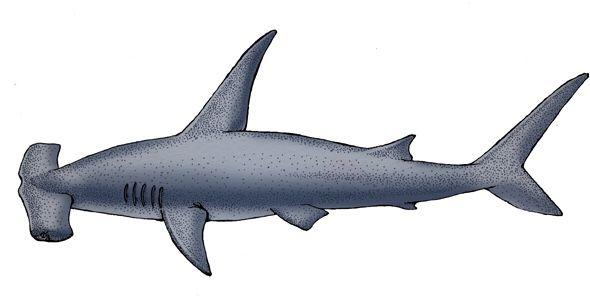
Smooth Hammerhead Overview
The Smooth Hammerhead (Sphyrna zygaena) is one of the most recognizable sharks in the ocean, belonging to the family Sphyrnidae within the order Carcharhiniformes. What makes this species truly distinctive is its remarkable hammer-shaped head—called a "cephalofoil"—with a smooth, curved front margin that sets it apart from other hammerhead cousins. Also known as the round-headed hammerhead or common smooth hammerhead, this second-largest member of the hammerhead shark family is a formidable active predator found in temperate waters worldwide. If you're exploring coastal regions from Nova Scotia to Brazil or cruising the Mediterranean, you might just encounter one of these fascinating creatures gliding through inshore waters and open ocean alike.
Smooth Hammerhead Habitat and Distribution
Unlike many of their shark relatives, Smooth Hammerheads have a preference for temperate zones with temperatures ranging from 45.5°F to 81.5°F, making them especially abundant in higher latitudes. These sharks are widely distributed across the Atlantic Ocean, from Nova Scotia down to the Virgin Islands and from Brazil to Argentina. They're also found throughout Northern Europe, spanning from the British Isles to the Mediterranean Sea. In the Indian Ocean, they're plentiful around India, Sri Lanka, and South Africa, with additional populations near southern Japan, Russia, New Zealand, and Australia.
Smooth Hammerheads show a strong affinity for inshore environments such as estuaries and bays, though they also venture into the open ocean and around oceanic islands. Interestingly, they prefer waters closer to the surface—typically less than 66 feet deep—but have been recorded at depths reaching 660 feet. Their seasonal migration is predictable: during summer months, they move toward cooler polar regions, then return to equatorial waters as winter approaches, making timing crucial for those seeking to observe them.
Smooth Hammerhead Size and Weight
The Smooth Hammerhead is an impressively sized predator, ranking as the second-largest hammerhead species. Individuals typically measure between 96 to 197 inches (8 to 16.4 feet) in length, with an average size around 138 inches (11.5 feet). Weight ranges considerably, from approximately 185 pounds at the lower end to 880 pounds for the largest specimens. This substantial size makes them a formidable presence in any marine ecosystem and a thrilling—though potentially challenging—encounter for divers and anglers alike.
Smooth Hammerhead Diet and Behavior
As active predators, Smooth Hammerheads possess impressive hunting capabilities, featuring 25-30 tooth rows in their lower jaw and 26-32 in their upper jaw. Each tooth is triangular and serrated, perfectly adapted for gripping slippery prey. Their diet is remarkably diverse and opportunistic: they hunt fellow sharks and rays, invertebrates, bony fishes, octopus, squid, hake, and even more unusual prey like dolphins and sea snakes.
One of the most remarkable behavioral traits of this species is their tendency to form massive schools consisting of hundreds to thousands of individuals during migration periods. This schooling behavior is unusual among sharks and suggests a level of social complexity rarely seen in these apex predators. Another fascinating adaptation is their ability to use electroreceptors to detect the electric fields generated by other fish, giving them an extraordinary sensory advantage when hunting in murky or deep waters.
Smooth Hammerhead Spawning and Seasonal Activity
Smooth Hammerheads are viviparous, meaning they give birth to live young rather than laying eggs. Females typically produce between 20 to 40 pups per reproductive cycle. This reproductive strategy, combined with their schooling behavior during migration, creates predictable seasonal patterns that make timing essential for observation or research.
The most active periods occur during summer months when large aggregations move toward cooler polar regions. Winter migration back toward equatorial waters represents another peak activity window. Understanding these seasonal movements is crucial for anglers and marine enthusiasts planning expeditions in regions like the Atlantic or Mediterranean.
Smooth Hammerhead Techniques for Observation or Capture
Commercial and Intentional Fishing: Smooth Hammerheads are relatively common compared to other shark species, making them frequent targets for commercial fishing operations. Professional anglers employ several methods including longlines, gillnets, bottom trawls, handlines, and purse-seines. The use of longlines proves particularly effective in deeper waters where these sharks venture, while gillnets work well in inshore habitats. For those seeking to fish in regions like the Atlantic coast or Mediterranean, target areas during summer when schools are most active and concentrated.
Bycatch Consideration: Many Smooth Hammerheads are also captured unintentionally as bycatch when commercial vessels deploy standard fishing gear. This highlights both the species' prevalence in fishing zones and the ecological impact of large-scale fishing operations. Around Nova Scotia and the Virgin Islands, bycatch rates can be significant during peak migration seasons.
Observation and Ecotourism: For non-extractive encounters, diving expeditions in inshore bays and estuaries during warmer months offer the best opportunities. The species' preference for waters less than 66 feet deep makes them accessible to recreational divers. Look for their distinctive hammer-shaped heads silhouetted against the light in areas with strong fish populations, as they follow prey movements closely.
Smooth Hammerhead Culinary and Utilization Notes
The Smooth Hammerhead carries significant commercial value, though primarily for its fins rather than its flesh. The species' fins are highly prized as an ingredient in traditional shark fin soup, a delicacy in various Asian cuisines. Disturbingly, approximately 1.3 to 1.7 million fins are harvested annually from Smooth Hammerheads for the international shark fin trade, representing a substantial ecological impact on wild populations.
The meat itself has average culinary quality and presents some nutritional considerations, including potential mercury accumulation in apex predators. From a sustainability perspective, the intense fin trade pressure has raised conservation concerns, and many regions now regulate or prohibit the harvest of hammerhead sharks, including the Smooth Hammerhead species.
Smooth Hammerhead Frequently Asked Questions
Q: Is the Smooth Hammerhead dangerous to humans?
A: Yes, Smooth Hammerheads have been documented attacking humans on rare occasions, classifying them as potentially dangerous despite their relatively docile nature compared to other large sharks. Most attacks occur during provocation or when humans venture into their feeding zones. Practicing standard shark safety protocols—avoiding murky water, not swimming alone, and respecting their space—significantly reduces risk.
Q: What fishing techniques are most effective for catching Smooth Hammerheads?
A: Longlines and gillnets are the most effective commercial methods. For recreational fishing, targeting inshore areas during summer migration periods using medium to heavy tackle increases success rates. Around areas like the Atlantic coast from Nova Scotia southward, bottom trawling in deeper offshore zones (200-660 feet) also yields encounters with this species.
Q: Where can I observe Smooth Hammerheads in their natural habitat?
A: The Atlantic Ocean provides exceptional opportunities, particularly in temperate zones during summer months. Destinations include the waters off Nova Scotia, the Virgin Islands region, and Mediterranean hotspots. Inshore bays and estuaries with healthy fish populations and appropriate temperature ranges (45-82°F) offer the best viewing conditions. Research local dive operators familiar with seasonal migrations for guided expeditions.
Q: How do Smooth Hammerheads use their distinctive head shape for hunting?
A: The hammer-shaped head, called a "cephalofoil," serves multiple sensory functions. The wide, flattened structure spreads their electroreceptors across a larger surface area, allowing them to detect electrical fields generated by prey fish with remarkable precision. Additionally, the head's shape provides hydrodynamic advantages and improved maneuverability during high-speed pursuits. Combined with their serrated teeth and powerful jaws, this unique anatomy makes them highly efficient predators.
Q: What is the average size of a Smooth Hammerhead, and how do they compare to other hammerheads?
A: Smooth Hammerheads typically measure 96 to 197 inches (8-16.4 feet) in length, with weights ranging from 185 to 880 pounds. They rank as the second-largest hammerhead species, surpassed only by the Great Hammerhead. Their curved, short head distinguishes them from the more elongated heads of scalloped hammerheads, and their smooth front margin (lacking the central notch of other species) gives them their common name.
Q: When is the best time of year to encounter Smooth Hammerheads?
A: Summer months represent peak activity periods when this species migrates toward cooler polar waters. This is when massive schools of hundreds to thousands aggregate, providing the highest probability of sightings. Conversely, winter migration back toward equatorial regions offers additional opportunities in tropical and subtropical locations. Early morning or dusk hours, combined with appropriate seasonal timing, offer optimal viewing windows for divers and researchers.